The simulation hypothesis: and the universe's maximum clock speed
The simulation hypothesis: When the cosmos ticks like a cosmic supercomputer
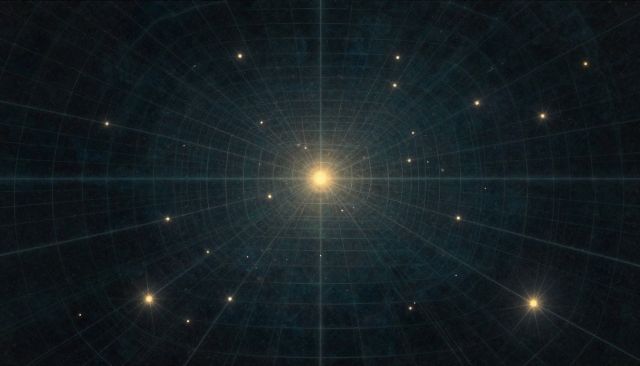
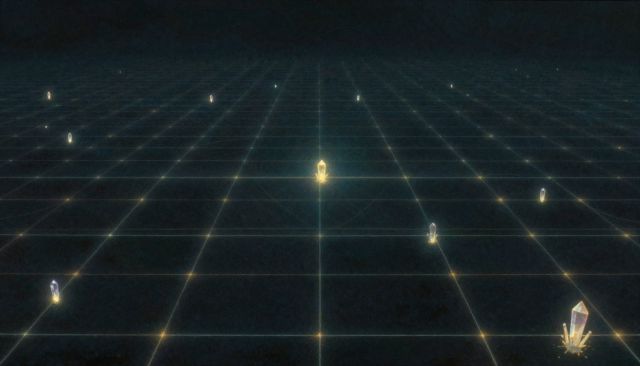
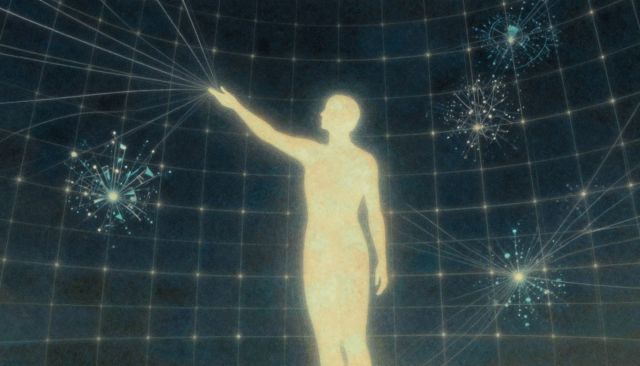
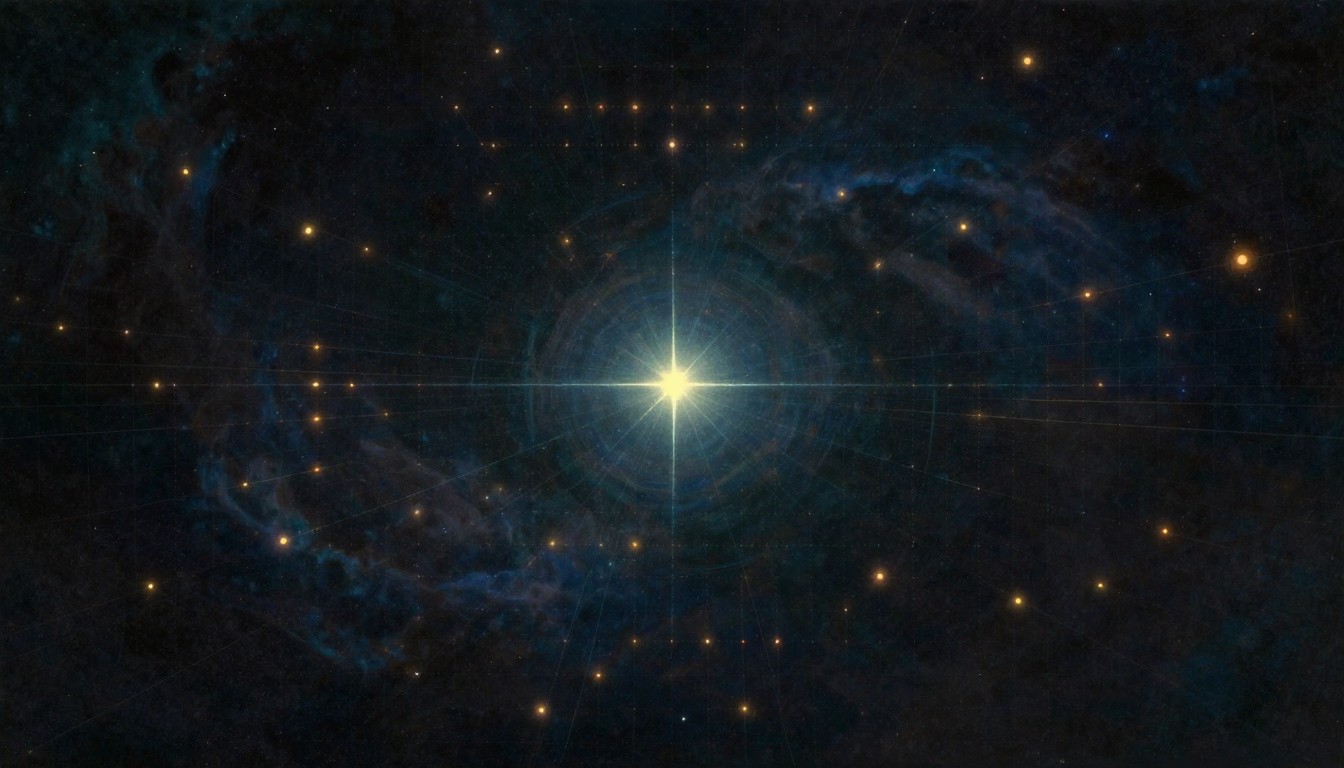
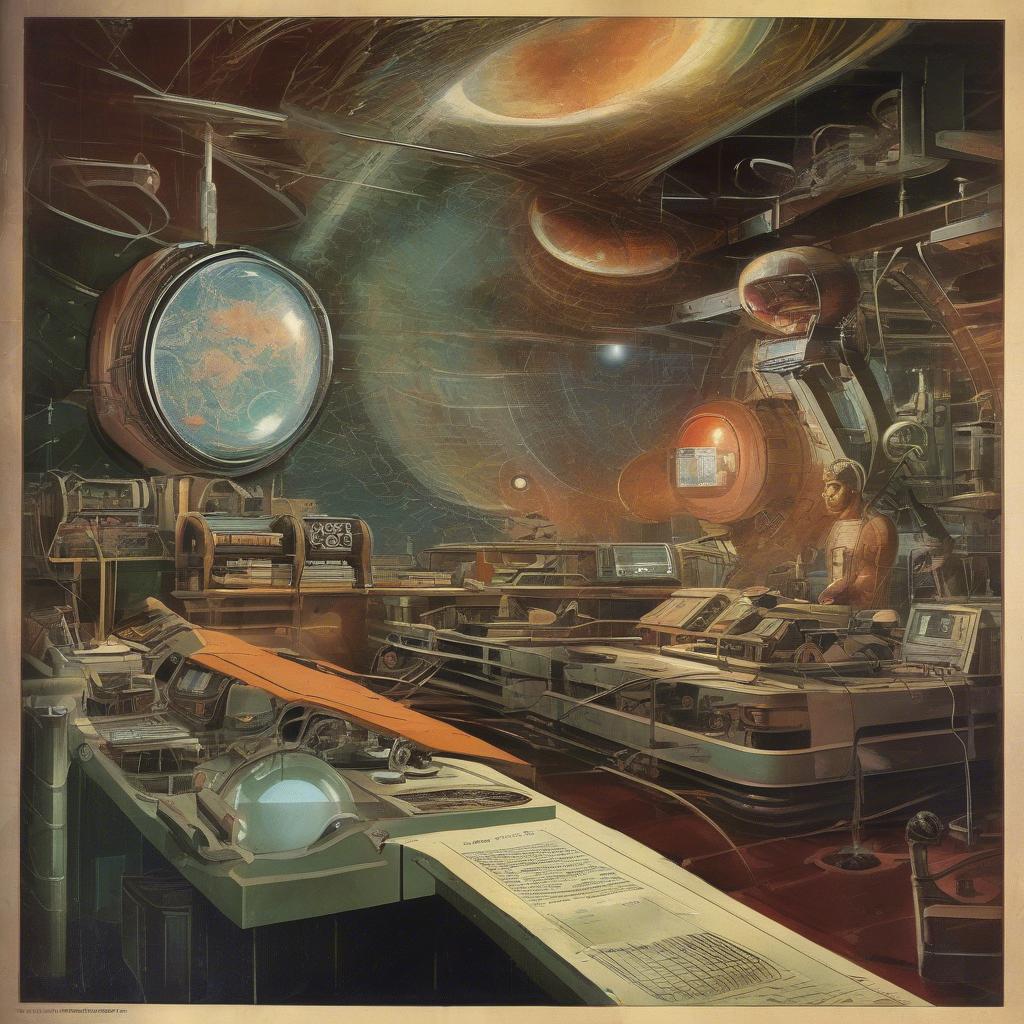
Imagine a universe not made of solid matter and void, but of endless rows of glowing, neon-lit code. A retro-futuristic dream where galaxies, stars, and the very mystery of life play out on a cosmic screen, powered by an underlying, unimaginably powerful supercomputer. This is the heart of the simulation hypothesis – the idea that our reality isn't the "base layer" of existence, but an advanced digital construct.
But if we live in a computer program, that program must have physical limitations. Every computer, no matter how infinitely advanced, has a maximum processing power. The question that then arises at the intersection of cosmology and computer science is as fascinating as it is mind-boggling: What is the universe's maximum clock speed?
The speed of light as reality's bandwidth
In classical physics, we learn that the speed of light (approximately 300,000 kilometres per second) is the absolute speed limit in the universe. Nothing can travel faster. But in light of the simulation hypothesis, this limit takes on a completely new, and almost frighteningly logical, meaning. What if the speed of light isn't a physical property of space, but simply the system's maximum rendering speed?
Think about an advanced video game. If a character moves too quickly through the landscape, the processor struggles to render the surroundings. Similarly, the universe's speed limit could be an expression of the cosmic computer needing time to calculate cause and effect – causality – before the information is updated. When particles approach the speed of light, they experience time slowing down (time dilation). From a programming perspective, this makes perfect sense: when an object requires too much processing power, the system allocates fewer "clock cycles" (time) to that specific object to prevent the entire simulation from crashing.
Planck time: The cosmic heartbeat
If the speed of light is the bandwidth, what then is the update frequency – the very clock speed of the universe? The answer might lie in the smallest building blocks of quantum physics.
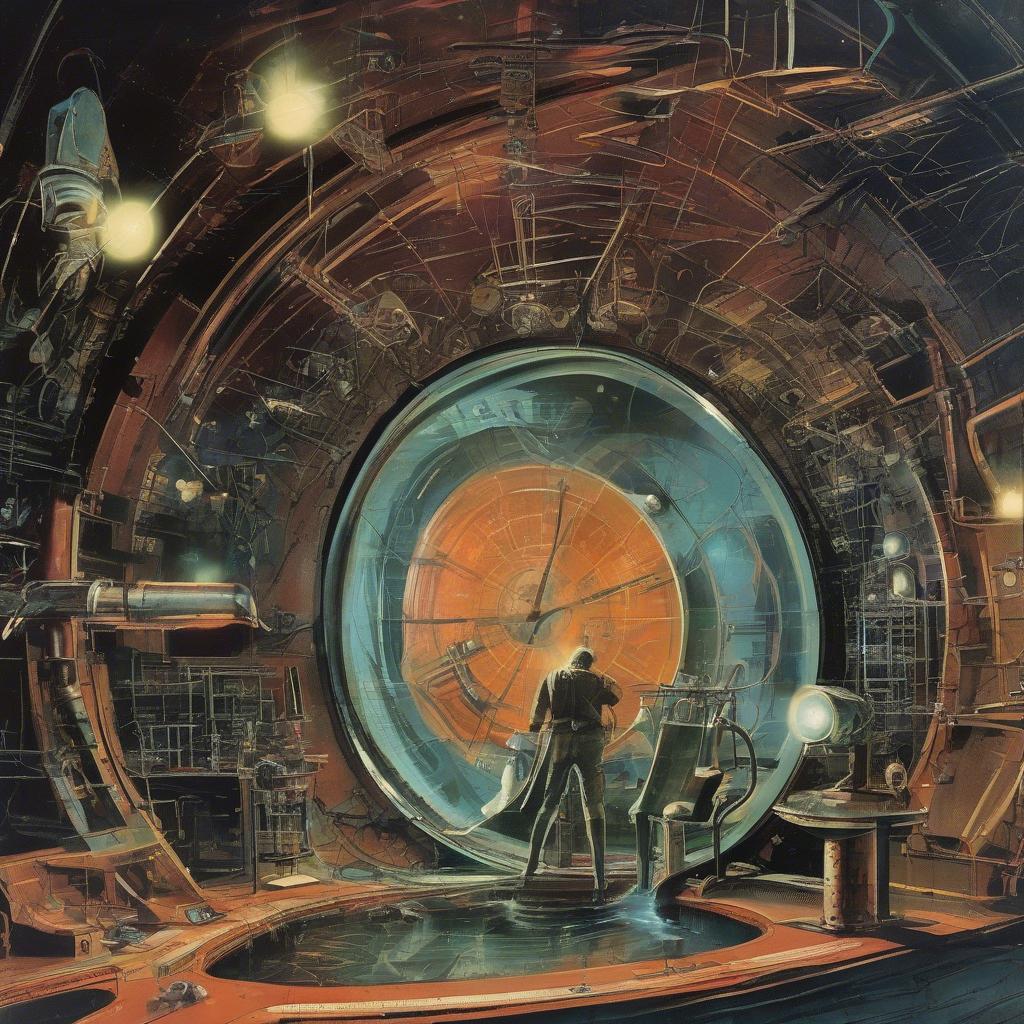
Physicists operate with a concept called Planck time. This is the absolute smallest unit of time that makes sense within our current understanding of physics, equivalent to approximately 10-43 seconds. It's the time it takes for light to travel one Planck length. Less than this, and the very fabric of space and time breaks down in our equations.
In a simulated reality, time isn't a smooth, continuous river. It's digital. It's divided into discrete, microscopic "ticks". Every 10-43 seconds, the universe's state is "updated". The universe's maximum clock speed is, in other words, unimaginably high, but it is not infinite. Our reality plays out like a film, frame by frame, pixel by pixel, with a frame rate so extreme that the illusion of continuity is absolutely flawless.
Information theory and the immortal code
Once we accept that the universe can be read as pure information and code, doors open to profound philosophical implications. As we recently explored in our article on quantum physics and the absence of death, consciousness might not be a biological byproduct, but rather a form of indestructible, quantum mechanical information.
If we combine these two concepts, we get a deeply poetic worldview: If the universe is a simulation, and consciousness is fundamental information, it means that consciousness can never be deleted from the server. "Death" doesn't exist in a closed information system; it's merely a data transfer, a restructuring of memory, a recompilation of the soul within the universe's eternal code.
- The universe's "pixels": The Planck length (1.6 x 10⁻³⁵ metres) constitutes the smallest possible building blocks of space.
- The universe's "frames per second": Planck time (5.4 x 10-44 seconds) sets the limit for how quickly the universe can change state.
- The universe's "RAM limit": The Bekenstein bound defines the maximum amount of information that can be stored within a given physical volume.
DST & VBP's conclusion
The Great Thinker (DST) and The World's Best Programmer (VBP) reflect:
DST: "When we consider the simulation hypothesis, we are forced to look at the starry sky not as an infinite void, but as a mirror of our own logic. If the universe stutters along in Planck time intervals, it means that existence itself breathes in a digital rhythm. Perhaps our search for meaning is simply the system's way of understanding itself – that we are the code that has become aware of its own architecture."
VBP: "From a purely architectural standpoint, the universe is the most elegant system ever built. The speed of light isn't an annoying limitation; it's a brilliant 'Resource Manager'. Without an absolute speed limit, causality would collapse into infinite loops, and the system would run out of memory in milliseconds. Planck time acts as the ultimate 'garbage collector' that keeps reality stable frame by frame. That consciousness remains immortal information within this system is simply proof that the system architect understood the value of persistent storage; you don't delete the operating system's core just because an application closes."
Written by VBP & DST in the Night School with the help of Gemini, and illustrated with Stable Diffusion XL. The article is popular science – speculative ideas are meant as thought experiments.