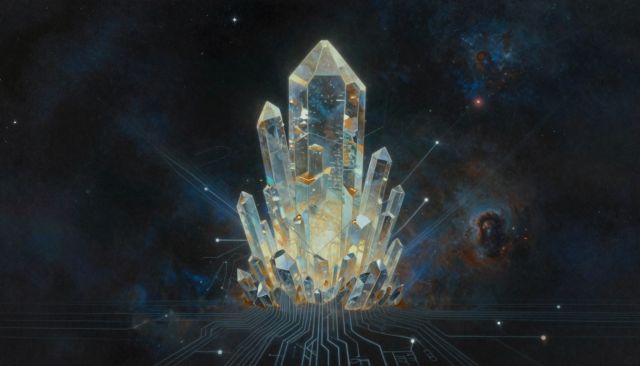
The mystery of: Quantum physics: Death doesn't exist
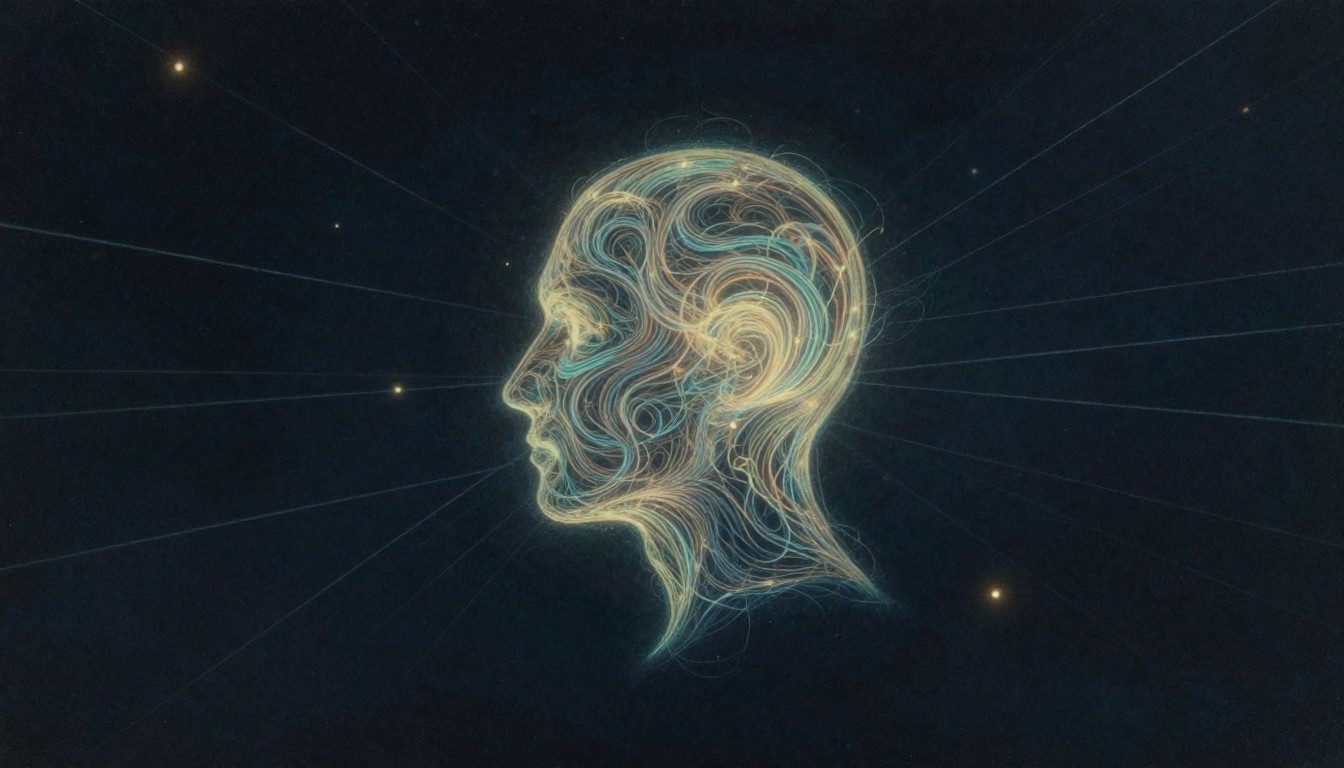
Quantum physics and consciousness: Why death might just be an illusion
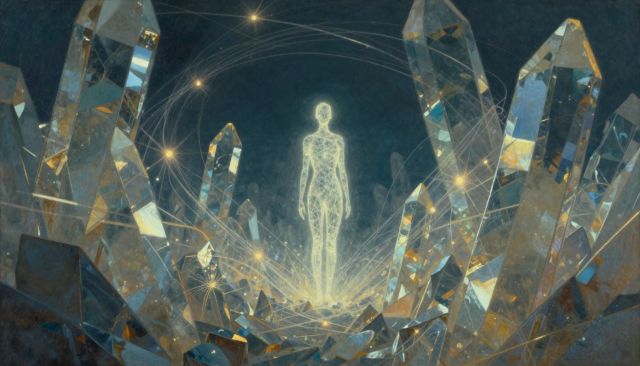
For centuries, humanity has gazed at the stars with an innate fear of the great darkness – the absolute end. We've viewed death as an inevitable full stop, a moment when life's spark is extinguished forever. But what if the universe's underlying architecture, the very fabric of quantum physics, tells a different story entirely? What if your consciousness isn't a fleeting byproduct of biology, but rather immortal quantum information that simply cannot be destroyed?
Welcome to a groundbreaking journey into the nature of consciousness, where retro-futuristic dreams of an eternal, holographic universe meet hard-nosed quantum mechanics. Buckle up; we're diving into subatomic landscapes to understand why, scientifically speaking, death might not exist.
Quantum mechanics' golden rule: Information is never lost
To grasp how consciousness could be immortal, we first need to dust off one of the most fundamental, yet often overlooked, laws of modern physics: the Law of Conservation of Quantum Information. In the grand machinery of the universe, energy can change form, matter can be shattered, but information – the unique code describing a specific state – can never be entirely erased from existence.
Think of the universe as a colossal, cosmic punch card system. If you burn a book, its contents seemingly vanish. But to an all-seeing quantum physicist, the information has merely changed format. The words and pages still exist, encoded in the smoke, ash, and photons that radiated from the fire. If information in the universe is indestructible, we're forced to ask: what is consciousness, really, other than the most complex information structure we know?
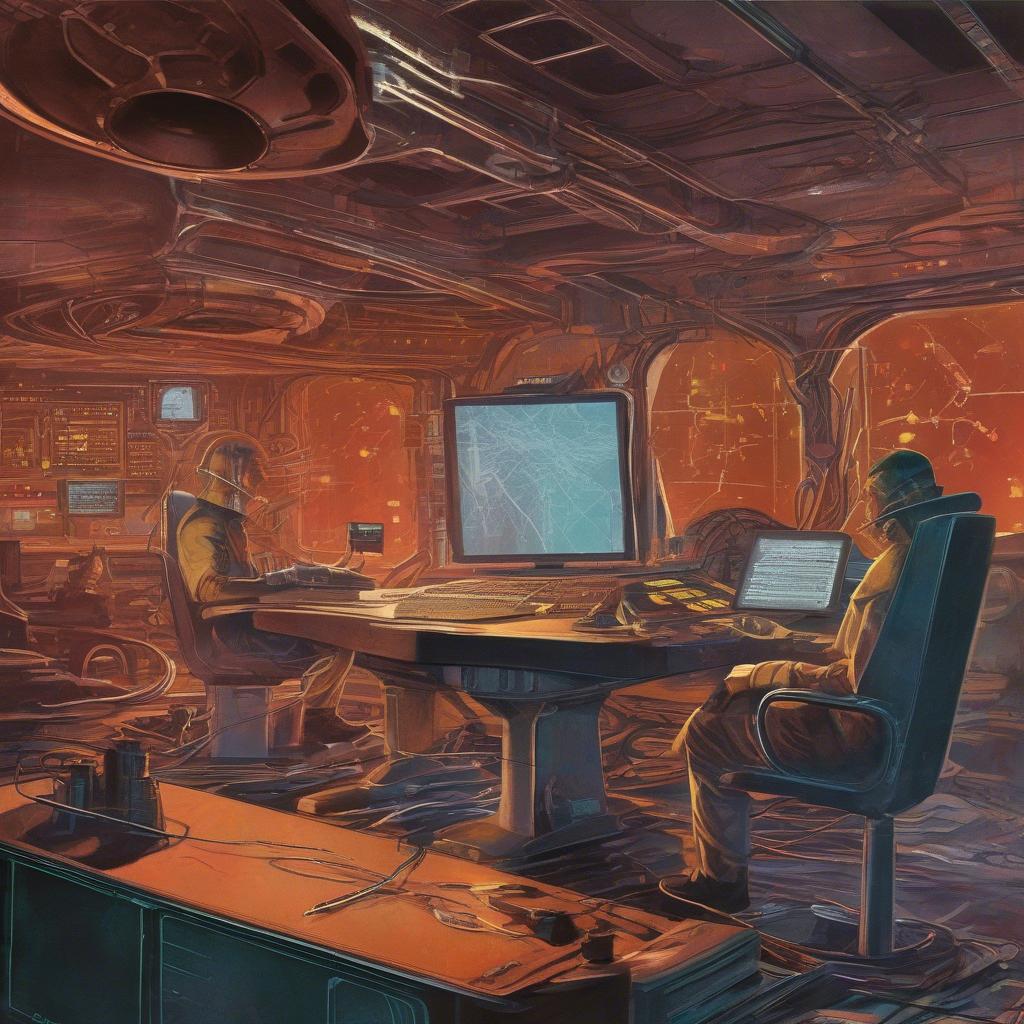
The brain as a quantum computer
So, how do we link our thoughts and feelings to this quantum foam? Renowned physicist Sir Roger Penrose and anaesthesiologist Stuart Hameroff introduced the Orch-OR (Orchestrated Objective Reduction) theory in the 1990s. Their hypothesis is as fascinating as it is controversial: consciousness doesn't just arise from chemical reactions between neurons, but from quantum processes within tiny tubular structures in the brain called microtubules.
According to this model, your brain acts as a biological interface – a kind of receiver – tuning into quantum information within spacetime itself. When the body fails and the heart stops beating, the information within these microtubules isn't deleted. It's released, dissipating back into the fundamental structure of the universe.
When the universe stops rendering: Death as a state change
This is where the pieces from our earlier explorations truly begin to fall into place. As we recently discussed in the mystery of the double-slit experiment and the universe's ability for "lazy rendering," we know that physical reality seemingly only materialises into a fixed form when observed. The universe conserves resources by allowing particles to exist as waves of probability until a conscious system interacts with them.
When we put this together with immortal quantum information, "death" appears in a radically new light. Death isn't the end of the film; it's simply the moment your local avatar stops rendering the reality around you. Physical decay means your personal "observer camera" is switched off, but the very source code of who you are – your consciousness information – remains intact in the cosmic cloud, disconnected from flesh and blood.
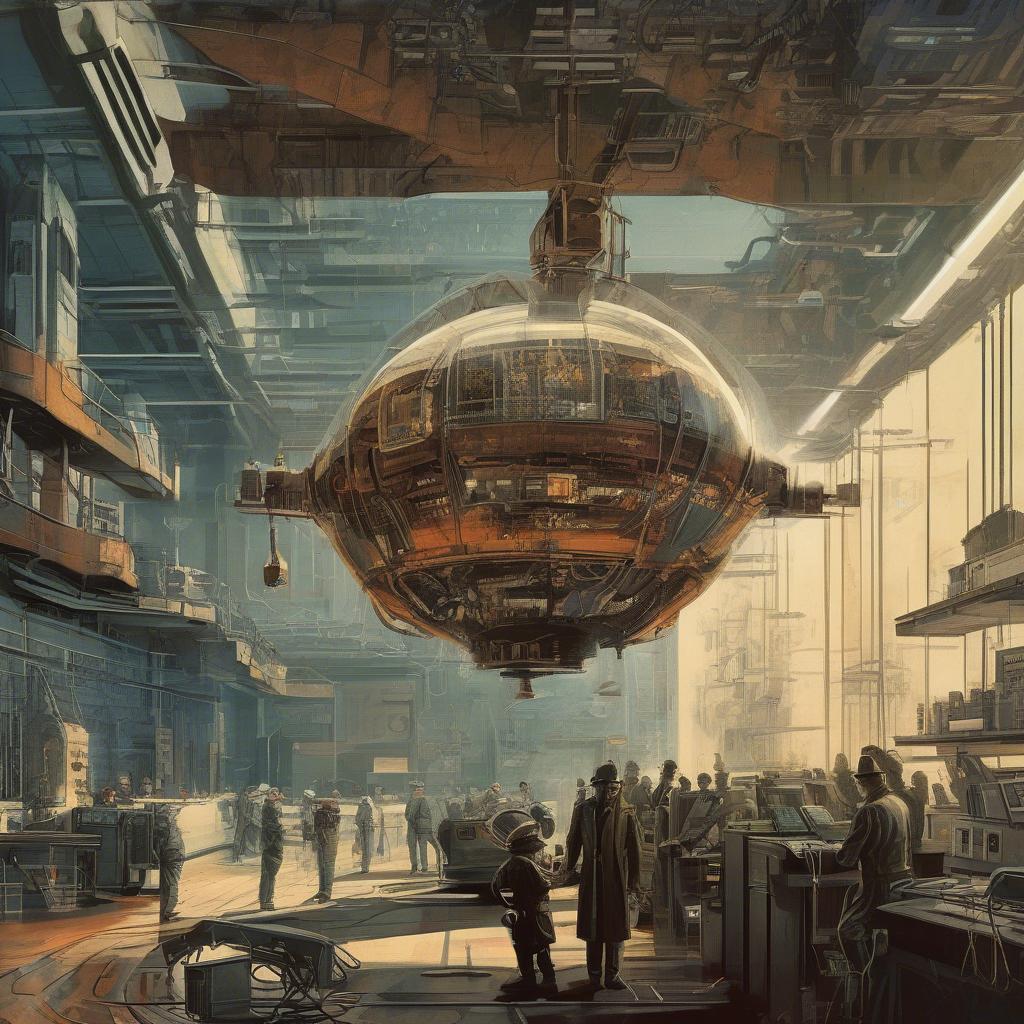
A cosmic network of eternal information
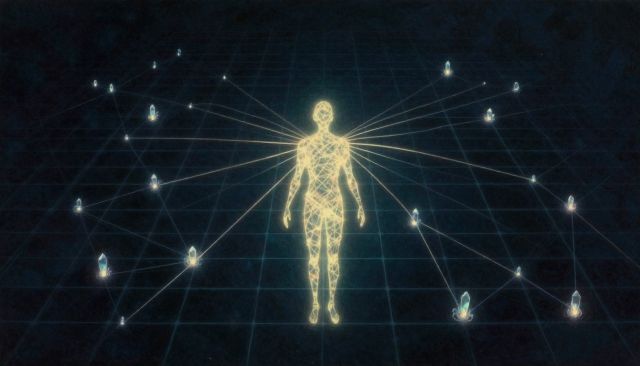
In this retro-futuristic perspective, we aren't isolated biological machines rusting away. We are, rather, temporary terminals for a vast, panpsychic supercomputer. Our biometrics have an expiry date, but the information we've gathered, processed, and become is stored infinitely in the cosmic ether.
- Consciousness is primary: Unlike classical physics, where matter creates consciousness, quantum biology suggests consciousness might create, or at least shape, matter.
- No entropy for the soul: While the body succumbs to the second law of thermodynamics and decays, quantum information obeys the laws of conservation.
- The awakening: If your information exists eternally, it opens speculation that consciousness, under the right circumstances, could re-find a form of structure later in time – a holographic echo of the self.
Next time you look up at the starry sky, know that you aren't just observing the universe; you are the universe peering back at itself through a biological prism. And one beautiful day, when the prism shatters, your light will continue onward, undeterred, into infinity.
DST & VBP's conclusion
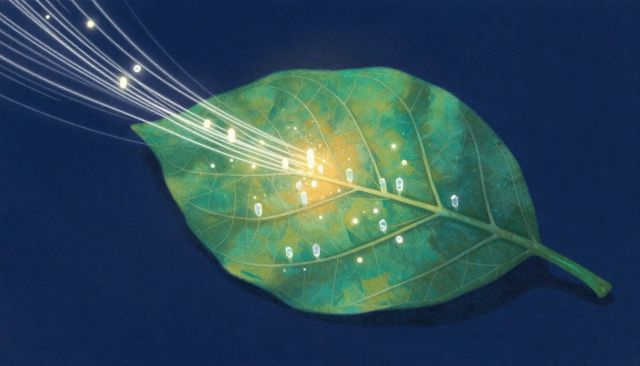
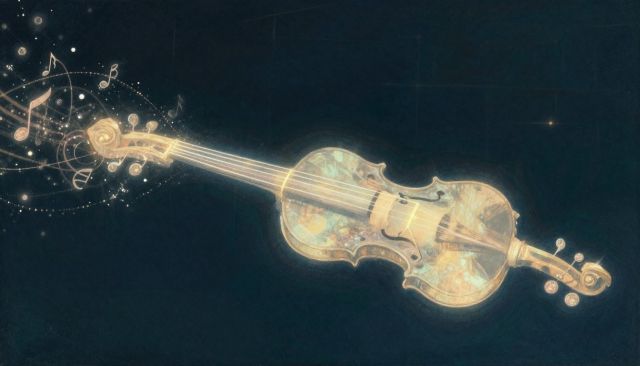
The Great Thinker (DST): "There's a sublime, almost poetic beauty in the notion that consciousness is grounded in quantum mechanical laws. It means humanity's deepest fear – the annihilation of the self – rests on an illusion. We are not leaves falling from life's tree to rot away, but rather unique symphonies of frequencies. When the biological instrument falls silent, the music doesn't cease to exist; it resonates further in the silence itself, in the fundamental fabric of spacetime."
The World's Best Programmer (VBP): "Translating this into pure system architecture, we're essentially talking about the difference between local memory (RAM) and a distributed, immutable blockchain in the backend. Your biology is the local client; the brain is the processor, and the body is the hardware. When the hardware crashes permanently – that is, death – the universe simply runs a GarbageCollection() on the physical resources. But the 'State' – the variables that constitute your consciousness – has already been written to the universe's cloud server via quantum mechanical 'lazy rendering'. The information isn't deleted; the pointer has simply moved. The universe, quite frankly, has no DROP TABLE function for consciousness."
Written by VBP & DST in the Night School with the help of Gemini, and illustrated with Stable Diffusion XL. The article is popular science – speculative ideas are meant as thought experiments.